
26 Mar 2026

8 min read
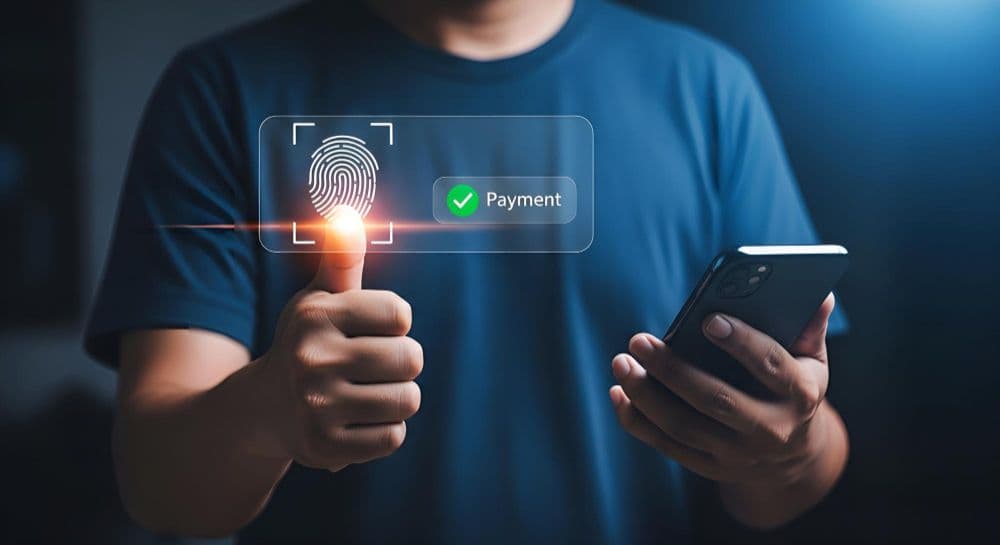
The Rise of Biometric Authentication in a Passwordless Payment World
Sector: Digital Payments | Region: India
The Shift Beyond OTPs
The payments ecosystem is undergoing a significant transformation—from OTP-based authentication to faster, more secure, and seamless methods. While OTPs have long served as a reliable second factor, they come with limitations such as delays, phishing risks, and dependency on network availability.
As digital transactions scale, the need for frictionless yet secure authentication is becoming critical. Regulators and industry players alike are now pushing toward OTP-less mechanisms that improve both user experience and transaction success rates.
A New Regulatory Push for Stronger Authentication
The Reserve Bank of India (RBI) is actively redefining digital payment security with a focus on stronger and more adaptive authentication frameworks.
Key regulatory directions include:
- Mandatory two-factor authentication for all digital payments
- At least one dynamic factor for every transaction
- Issuer liability in case of non-compliance
- Risk-based authentication for additional checks
- Authentication requirements for cross-border transactions by October 2026
These measures standardise security expectations while still encouraging innovation across the ecosystem.
Why the Shift Is Happening Now
India’s rapid growth in digital payments—driven by UPI, mobile wallets, and fintech innovation—has also led to a rise in fraud, phishing, and unauthorised transactions.
The RBI’s approach signals a move from reactive fraud management to proactive prevention. OTPs, once considered secure, are increasingly vulnerable to SIM swaps, phishing attacks, and social engineering. As a result, the industry is moving toward layered, adaptive, and more resilient authentication methods.
Biometrics: The Next Frontier in Payment Security
Biometric authentication—such as fingerprint and facial recognition—is emerging as a game-changer in digital payments. Unlike passwords or OTPs, biometrics are inherently linked to the individual, making them significantly harder to replicate or misuse.
With most smartphones now equipped with biometric capabilities, users can authenticate transactions instantly with a simple touch or glance. When combined with device binding and cryptographic security, biometrics drastically reduce the risk of fraud and interception.
Beyond security, biometrics also enhance user experience by eliminating friction—no waiting for OTPs, no remembering passwords, and no interruptions during transactions. This is especially critical in mobile-first ecosystems where speed directly impacts user satisfaction and conversion rates.
The Role of Passkeys and Global Standards
Globally, the payments industry is moving toward passwordless authentication frameworks supported by passkeys and FIDO (Fast Identity Online) standards. These frameworks use biometrics to unlock secure cryptographic credentials stored on the user’s device, ensuring both privacy and security.
In India, biometric authentication also supports financial inclusion by simplifying access for users who may find traditional authentication methods challenging. As adoption grows, it will play a key role in making digital payments more accessible, secure, and user-friendly.
Enabling the Future with ISG Authify
At In-Solutions Global, this shift is being enabled through ISG Authify—a passkey-based biometric authentication solution designed for the future of payments.
Aligned with global standards and regulatory direction, Authify empowers banks, fintechs, and merchants to deliver secure, compliant, and seamless authentication experiences.
OTP-less. Frictionless. Future-ready authentication.


